Royal Style Ring for Weddings
The History Behind Royal Collection Jewellery: Timeless Treasures Worthy of Royalty
The history behind regal jewelry collections discloses a narrative steeped in craftsmanship and authority. Over centuries, these jewels have changed, reflecting cultural exchanges and evolving aesthetics. Each adornment carries layers of meaning, spanning elaborate craftsmanship to the finest materials. Appreciating their value calls for a thorough investigation of the skill and symbolism that distinguish these celebrated treasures. What factors have molded these historic gems, and which individuals played a key role in their development?
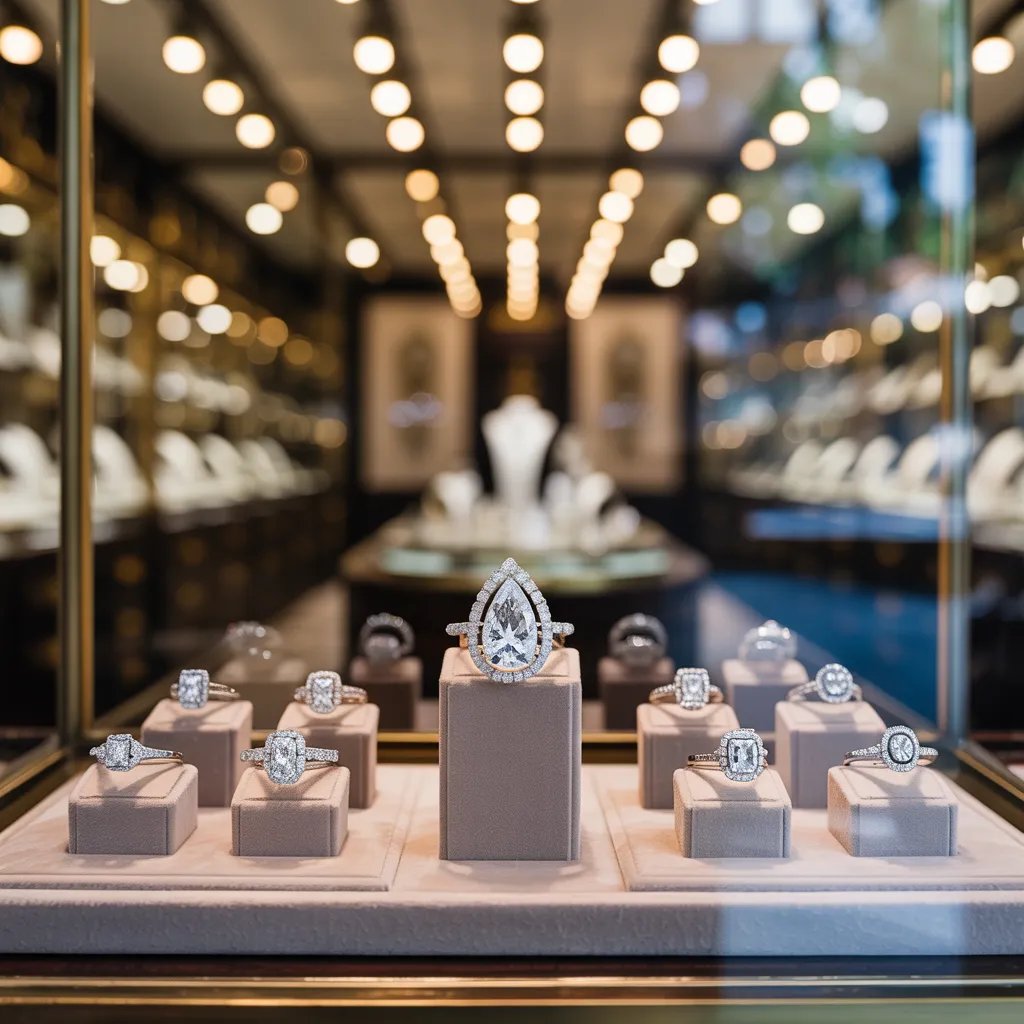
How Did the Evolution of Royal Jewelry Unfold Over Time?
As royal dynasties thrived across the ages, royal jewelry evolved to mirror both cultural transformations and progress in craftsmanship. In the beginning, royal adornments remained modest, frequently crafted from locally sourced materials such as wood and stone, representing status and authority. As trade routes expanded, precious metals and gemstones became accessible, leading to intricate designs that showcased skillful artistry.
The Renaissance represented a significant transformation, with intricate works that incorporated symbolism and storytelling, frequently mirroring the political climate. During the 18th century, opulence defined royal jewelry, with ornate compositions and pioneering approaches arising. The Victorian era introduced sentimental jewelry, incorporating significant emblems that communicated intimate accounts.
In today's world, royal jewelry has adapted to current aesthetic standards while honoring deep historical relevance. At present, it functions not only as an emblem of power but also as a link between historical traditions and modern times, reflecting the perpetual excellence of skilled artistry and cultural distinction.
What Sets Iconic Royal Jewelry Pieces Apart
Celebrated royal jewelry creations stand out not only for their exceptional artistry but also for the profound history and symbolism they embody. Every item often serves as a representation of the heritage of a royal dynasty, representing strength, prominence, and historical tradition. The unique designs frequently incorporate particular precious stones and decorative elements that reflect notable milestones or individual histories associated with royals. For instance, certain pieces may celebrate royal unions or act as treasured keepsakes transmitted across generations, amplifying their personal and historical worth.
Additionally, these pieces are often adorned with meticulous artistry that showcase artistic innovation and the expertise of distinguished jewelers. The scarcity of materials used, such as exceptional diamonds or distinctive precious stones, contributes to their appeal. Above all, timeless royal jewels transcends mere adornment; it embodies the rich history, profound identity, and lasting legacy of the noble figures who adorned themselves with it, making every jewel a remarkable testament of the period it reflects.
What Are the Common Craftsmanship Techniques Used in Royal Jewelry?
Within royal jewelry, time-honored handcrafting techniques serve a vital role in creating pieces of exceptional quality. These techniques often involve elaborate gemstone mounting, ensuring that each stone is placed with precision and care. Such craftsmanship not only enhances the aesthetic appeal but also adds to the historical importance of these prized pieces.
Classic Handcrafting Techniques
Several imperial jewellery pieces are renowned for their exceptional craftsmanship, displaying a blend of traditional handcrafting methods that have been passed down through generations. Artisans use techniques such as fine filigree work, where fine threads of metal are shaped and fused to create detailed designs. A further notable technique is the cloisonné technique, which involves the use of thin metal bands to form chambers filled with enamel or gemstones. Additionally, hand engraving incorporates fine details and surface textures, highlighting the skill of the maker. The use of traditional lost-wax casting allows for the production of elaborate and one-of-a-kind gold designs. Every creation reflects the dedication to artistry, ensuring that royal jewelry remains everlasting, embodying the history and heritage of the artistry that defines it.
Intricate Gemstone Setting
Numerous methods shape the practice of detailed stone placement in regal jewelry, raising every creation to a level of extraordinary refinement. Among these, the prong setting stands prominent, where metal claws secure stones while maximizing light exposure. The bezel setting, encasing the gem in a metal rim, delivers a refined and polished appearance. Additionally, pavé techniques produce a glistening effect by embedding small stones closely together. Skilled jewelers commonly apply the method of invisible stone placement, creating a flawless visual effect that showcases their radiance. In addition, precise focus is directed to stone alignment and symmetry, ensuring that each design embodies harmony and sophistication. These craftsmanship techniques contribute to the lasting charm of fine royal pieces, enchanting admirers through generations.
What Symbolism Is Embedded in Royal Jewelry
What deeper meanings lie within the elaborate designs of regal jewels? Each item commonly acts as a tangible embodiment of power, loyalty, and heritage. Icons such as crowns or scepters represent power and rule, while motifs like flowers or animals can signify beauty and nature's bounty. Gems are picked not solely for their decorative value but also for their historical importance; sapphires symbolize wisdom, rubies signify ardor, and emeralds are associated with renewal.
In addition, monarchical jewelry often includes components that convey the identity of a nation, like colors or symbols associated with a given country or ruling family. Royal jewelry gifts commonly signify alliances and strengthen relationships, carrying layers of personal and political meaning. Thus, these remarkable creations go beyond simple decoration, preserving accounts of lineage, culture, and the elaborate historical threads that define royal identity.
In What Ways Have Royal Jewelry Trends Shifted Over the Years?
In what ways have royal jewelry trends changed throughout history? Over the centuries, royal jewelry has mirrored examine this material societal changes, reflecting shifts in fashion, culture, and technology. In ancient times, magnificent gemstones and detailed metalwork were highly prized, representing wealth and power. During the Renaissance, intricate designs featuring floral motifs and enamel work emerged, highlighting exceptional artistic craftsmanship.
By the Victorian era, personal sentiment grew increasingly important, with pieces often featuring strands of hair or secret inscriptions. The Art Deco movement later emphasized geometric shapes and bold colors, reflecting contemporary ideals and creative advancement.
In contemporary times, there has been a noticeable transition toward minimalist designs and conscientious procurement, reflecting the rise of ethical awareness in society. Members of royal families now tend to favor jewelry that harmoniously combines heritage with contemporary style, illustrating a graceful flexibility in an ever-changing landscape. As style and design perpetually transform, royal jewelry remains a dynamic expression of identity and heritage, retaining its timeless importance throughout history.
Which Royal Icons Influenced Jewelry Trends
Across the ages, many royal individuals have profoundly impacted jewelry trends, shaping not only personal style but also broader fashion movements. Queen Victoria of the United Kingdom popularized sentimental jewelry, most notably items embellished with lockets and hair, symbolizing personal connections. Throughout the 1900s, Princess Diana became a fashion icon, recognized for her striking decisions, including the striking sapphire engagement ring that sparked a resurgence in colored gemstones.
Similarly, the beloved late Queen Elizabeth II showcased enduring sophistication with her collection of diamond tiaras and brooches, encouraging generations to adopt classic styles. In the modern era, Meghan Markle has shaped modern aesthetics, favoring minimalist designs that blend tradition with contemporary flair. All of these distinguished royal personalities not only shaped their respective periods but also left a lasting legacy, illustrating the way jewelry captures cultural values and personal narratives while consistently advancing within the world of fashion.
Common Questions and Answers
What Materials Are Commonly Used in Royal Jewelry Designs?
Royal jewelry designs frequently feature fine metals like gold alongside platinum, along with rare gems such as sapphires, rubies, diamonds, and emeralds. These materials combine to produce opulent, enduring pieces that symbolize status and elegance.
How Do Royal Jewelry Pieces Influence Contemporary Fashion?
Royal jewelry pieces shape contemporary fashion by bringing refinement and grandeur, often featuring vivid gemstones and intricate designs. Designers regularly borrow from these timeless elements, combining classic traditions with modern design to produce compelling, fashionable pieces.
Are There Particular Events for Wearing Royal Jewelry?
Fine royal jewels are traditionally showcased at distinguished ceremonies like formal galas, wedding celebrations, and state functions. These prestigious events provide the perfect setting for these treasures, highlighting their exquisite artistry and rich heritage while enhancing the wearer's elegance.
How Is Royal Jewelry Conserved and Preserved?
Fine royal jewelry is maintained through thorough cleaning, secure storage, and regular inspections by specialists. Environmental conditions are carefully managed, guaranteeing pieces remain in pristine condition, while detailed historical records capture their origins and significance for generations to come.
What Role Does Royal Jewelry Play in Royal Ceremonies?
Royal jewelry serves as a symbol of authority and tradition during regal occasions, amplifying the magnificence of events. These remarkable jewels often embody cultural heritage, reinforcing the royal family's link to historical roots and cultural identity.
Summary
The progression of royal jewelry collections represents a remarkable fusion of artistry, culture, and power. Each timeless piece captures not only exquisite craftsmanship but also profound symbolism and rich heritage. As styles evolved from lavish opulence to refined minimalism, royal jewelry has consistently evolved, enduring as symbols of distinction through the centuries. Celebrated members of royalty have shaped and refined these trends, guaranteeing that these breathtaking pieces remain symbols of heritage and grace, befitting royalty across every era.