Royal Ring Replica: Handcrafted Fashion Ring
Skill and Sophistication: The Art of Royal Collection Jewellery
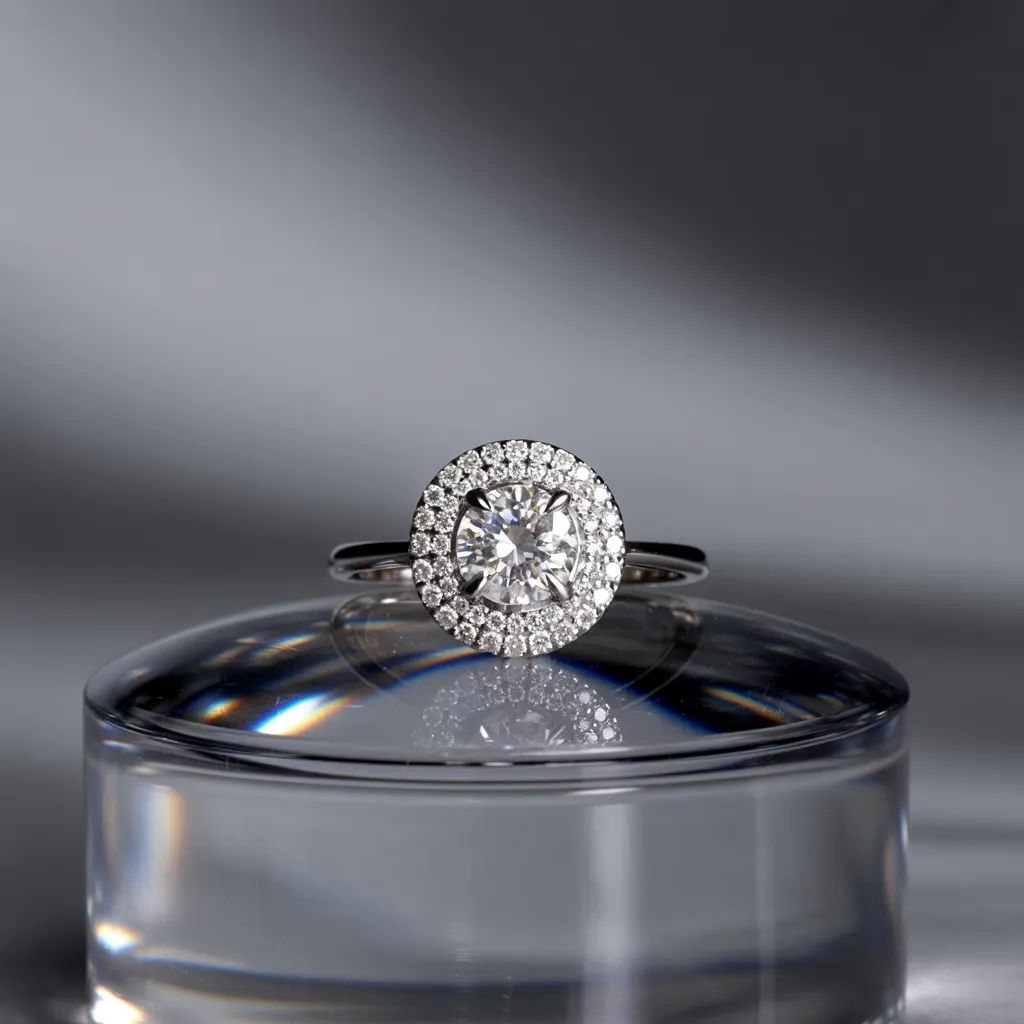
Royal collection jewelry exemplifies a combination of artistry and grandeur. Every piece displays intricate techniques including filigree and enameling, demonstrating the expertise of skilled artisans. Iconic gemstones like the Koh-i-Noor diamond carry rich historical narratives. This elegance and artistry not only highlight the grandeur of monarchy but also influence contemporary trends. As one delves into the complex narratives surrounding these artifacts, the profound ties to culture and tradition grow ever more evident.
The Rich History Behind Royal Collection Jewellery
The history of Royal Collection Jewelry is as complex as the pieces themselves, reflecting centuries of royal patronage and artistry. Dating back to the early modern age, these jewels were often commissioned by monarchs to signify power, wealth, and status. Each artifact conveys a narrative, intertwining with significant historical events and the lives of notable figures.
The collection has transformed through dynastic changes, drawing influences from numerous cultures and artistic movements. Distinguished gemstones, such as diamonds and emeralds, have been precisely set in designs that span from the lavish to the refined, showcasing the diversity of royal tastes.
The Royal Collection Jewelry has served not only as ornamentation but also as tokens of diplomacy, representing cultural alliances and historic heritage. Nowadays, these remarkable treasures continue to be preserved, giving a look into the grandeur of regal history and the enduring legacy of craftsmanship that defines the royal collection.
Distinguished Approaches in Royal Collection Jewelry Design
Craftsmanship in Royal Collection Jewelry displays an remarkable array of expert techniques that have been refined over generations. Every creation is a testament of the artisans' dedication, incorporating methods such as granulation, enameling, and filigree. Filigree, characterized by delicate, lace-like designs, emphasizes elaborate metal craftsmanship that creates texture and visual complexity. Granulation involves the meticulous application of minute metal globules, producing remarkable formations that amplify artistic beauty.
Furthermore, the art of enameling introduces striking and lively hues, enabling artistic creativity while guaranteeing long-lasting quality. The workmanship regularly incorporates classic hand-crafting approaches, that lend a distinctive associated resource personality to every piece. These approaches are supported by cutting-edge developments that refine exactness without diminishing the creative craftsmanship. As a whole, the thorough commitment to quality and the combination of time-tested and innovative practices demonstrate the timeless tradition of Royal Collection Jewelry excellence, transforming every item into more than an ornament, but a true artistic masterpiece.
Famous Gemstones in Royal Collection Jewelry: What Sets Them Apart?
Distinguished gemstones in Royal Collection Jewelry pieces are remarkable not only for their rarity but also for the narratives they embody. Every gemstone is rich in history, often associated with significant royal events or notable figures. To illustrate, the Cambridge Emeralds, an exquisite set of emeralds originally gifted to Queen Mary, represent royal heritage and the flow of time. Likewise, the Koh-i-Noor diamond, with its complex past, has enthralled countless generations, symbolizing authority and grandeur.
These precious stones are not simply ornamental; they additionally function as symbols of prosperity and standing. Their unique colors, sizes, and cuts enhance their allure, establishing them as deeply desired jewels. The meticulous craftsmanship that accompanies these stones further elevates their significance, as skilled jewelers deliberately fashion settings that accentuate their intrinsic elegance. Together, these legendary stones participate in a story of tradition, craftsmanship, and the timeless heritage of nobility.
How Royalty Shapes Today's Jewelry Trends
The legacy of royalty has long stood as a hallmark of enduring grace, shaping the landscape of modern jewelry design. Contemporary fashion frequently takes its cues from the detailed craftsmanship and profound symbolism rooted in regal heritage. As a result, present-day styles capture a harmony of classical tradition and fresh innovation, resonating with the magnificence of historic royal courts.
Timeless Elegance in Design
Fine jewelry, frequently regarded as a mirror of heritage and prestige, is deeply shaped by the traditions of royalty. The elegance inherent in royal designs reveals a excellence in craftsmanship that endures through the ages. Distinguished pieces, defined by their elaborate settings and rare gemstones, encourage contemporary artisans striving for elegance. Royalty's preference for classic motifs, such as floral patterns and regal color palettes, consistently informs contemporary design sensibilities. This lasting allure highlights enduring quality over passing trends, directing creators toward lasting refinement. As royal collections are showcased in curated exhibitions and notable occasions, they reinforce the connection between heritage and contemporary style. The result is a jewelry landscape elevated by cultural heritage, where the influence of royalty continues as a pillar of design.
Shaping Contemporary Fashion Decisions
How do the choices of royal figures influence the trends seen in modern jewelry design? Royal figures consistently serve as style icons, with their selections leaving a notable mark on public taste. Whenever royals are spotted wearing distinctive pieces, including tiaras or striking earrings, such items tend to become desirable fashion trends. Jewelry designers carefully study royal fashion moments, adjusting their collections to mirror these prominent selections, thus connecting traditional aesthetics with modern style. Additionally, the media amplifies these influences, creating a buzz that propels royal-inspired pieces into mainstream fashion. By championing timeless styles and distinctive gemstones, royals pay tribute to tradition while encouraging younger generations to incorporate and reinterpret these lavish elements into their everyday looks, influencing the evolution of contemporary jewelry.
Significance of Royal Heritage
Grace commonly reflects the rich tapestry of regal history, shaping modern jewelry designs in significant ways. Nobility has historically represented power and prestige, encouraging contemporary designers to integrate features that honor this tradition. Iconic motifs, such as crowns, crests, and delicate filigree, evoke a sense of grandeur, attracting buyers who aspire to reflect noble sophistication. Moreover, the incorporation of distinct gemstones—including sapphires and emeralds—bears considerable historical importance, commonly connected to aristocracy and preservation. This bond with tradition not only elevates the visual charm of jewelry but also enriches it with narrative and meaning. As a result, today's jewelry reflects a blend of tradition and innovation, connecting with individuals who value the charm of regal workmanship.
Curating and Maintaining Royal Collection Jewelry
Environmental factors, such as temperature, light, and humidity, are precisely regulated within the display enclosures to prevent deterioration. Routine cleaning and restoration by expert craftsmen also serve a crucial function in safeguarding these prized pieces.
Furthermore, educational engagement is vital; curators often develop exhibitions that highlight the craftsmanship and artistry behind each item. This serves to both cultivate public appreciation and strengthen the significance of safeguarding these cultural treasures for future generations. Fundamentally, managing royal jewelry collections demands a thoughtful balance between preservation and honoring cultural legacy.
Cultural Significance of Royal Collection Jewelry
Royal Collection Jewelry represents not only exceptional artistry but also profound cultural significance. Each jewel acts as a tangible representation of culture, politics, and societal principles, often reflecting the era in which it was created. These precious pieces have graced kings, queens, and dignitaries, embodying strength and status while bridging generations through shared heritage.
Moreover, the collection's exquisite patterns often take cues from cultural motifs, highlighting the skill of various cultures. This establishes Royal Collection Jewelry an important connection to cultural identity and heritage. Furthermore, these items frequently feature precious stones and materials sourced from different parts of the world, underscoring the interconnectedness of cultures through the ages.
In ceremonial contexts, such pieces hold a significant place, commemorating meaningful events and festivities. Consequently, Royal Collection Jewelry surpasses ordinary embellishment, capturing histories, traditions, and the lasting legacy of the distinguished royal lineage it symbolizes.
Investing in Royal Jewelry: A Collector's Guide
Purchasing royal jewelry offers collectors a unique opportunity to acquire pieces rich in cultural significance and worth. Appreciating the value of authenticity is essential, as is being familiar with the appraisal process to guarantee a sound investment. This guide will explore these key aspects to help prospective purchasers in arriving at well-informed choices.
Historical Relevance and Significance
While many collectors are drawn to the allure of royal jewelry, grasping its historical relevance and value necessitates an astute eye and well-informed outlook. Each jewel commonly captures a singular tale, representing the era and culture in which it was created. Royal jewelry frequently features intricate craftsmanship, employing precious materials that not only elevate its visual beauty but also add to its investment value. Over the centuries, these objects have functioned as representations of power, prestige, and ancestry, rendering them sought-after by collectors aiming to safeguard cultural legacy. The origin and history of each item can significantly impact its commercial worth, since verified records can establish their genuineness and significance. Therefore, regal jewelry acts as both a physical asset and a testament to artistic tradition.
Authentication and Valuation Tips
Steering through the world of regal jewels requires a thoughtful approach to authenticity and appraisal. It is advisable for collectors to begin by researching the origin of each piece, verifying its history and connection to royal figures. Certificates of authenticity and supporting documentation are essential in confirming legitimacy. Employing a skilled professional with knowledge of regal artifacts can further ensure precise assessment. Enthusiasts are encouraged to study hallmarking and craftsmanship characteristics specific to historical periods. Additionally, attending reputable auctions and exhibitions can provide insight into market trends. At its core, a careful dedication to appraisal and authenticity preserves financial value while enhancing the collector's reverence for these treasured items.
Frequently Asked Questions
How Can I Identify Authentic Royal Collection Jewelry
To recognize authentic royal collection jewelry, it is important to review the hallmark closely, verify provenance through reputable dealers, and appraise the overall craftsmanship. Furthermore, consulting expert appraisers can provide further assurance of authenticity and value.
Are There Replicas of Royal Collection Pieces Available?
Yes, reproductions of royal collection items are accessible in many marketplaces. Although these pieces may imitate original designs and styles, authentic pieces possess unique qualities and provenance that distinguish them from these reproductions. The importance of authenticity remains a top priority for serious collectors.
What Are the Most Famous Royal Jewelry Thefts?
Remarkable thefts of royal jewelry include the 1911 burglary of the Crown Jewels from the historic Tower of London and the 2015 heist at the Hatton Garden depository, which focused on precious royal items among other treasures.
How Is Royal Jewelry Stored and Displayed?
Fine royal jewelry is generally stored in protected, temperature-regulated vaults, providing safeguarding against theft and deterioration. Showcased in galleries or exhibitions, items are frequently presented within glass cases, emphasizing their rich heritage and remarkable artistry.
What Events Typically Feature Royal Collection Jewelry?
Royal jewelry collections is frequently displayed notably during state banquets, official ceremonies, and royal weddings. Moreover, it can be seen at state visits and significant national celebrations, underscoring the historical significance and prestige linked to the monarchy.
Final Thoughts
In summary, royal collection jewelry epitomizes the fusion of artistry and history, with its remarkable craftsmanship and celebrated gemstones conveying stories of power and prestige. As the history of these extraordinary pieces continues to inspire contemporary styles, their cultural relevance remains significant. Enthusiasts and collectors alike are enchanted by the narratives embedded in each piece, ensuring that the allure of royal jewelry endures, going beyond time and encouraging generations to admire the elegance of this noble heritage.