Browse Luxury Royal Style Rings
The Origins of Royal Collection Jewellery: Enduring Treasures Worthy of Royalty
The origins of royal jewelry collections uncovers a narrative rich with craftsmanship and authority. Over centuries, these items have evolved, showcasing cultural influences and shifting styles. Every piece holds profound significance, from intricate designs to the materials used. Exploring their importance encourages a deeper exploration of the skill and symbolism that define these legendary pieces. What forces have defined these enduring masterpieces, and which individuals played a key role in their development?
How Has Royal Jewelry Changed Throughout History?
Throughout the reign of royal dynasties over centuries, the evolution of royal jewelry reflected both cultural shifts and advancements in craftsmanship. At first, royal decorations were understated, commonly fashioned from native materials including wood and stone, serving as symbols of rank and influence. Once trade networks grew, valuable metals and gemstones became available, resulting in complex designs that highlighted exceptional craftsmanship.
The Renaissance marked a major turning point, with ornate creations that blended symbolism with storytelling, commonly echoing the political environment. During the 18th century, grandeur shaped royal adornments, with ornate compositions and pioneering approaches arising. The Victorian era introduced sentimental jewelry, featuring meaningful motifs that conveyed personal narratives.
In today's world, royal adornments have adjusted to present-day artistic preferences while upholding deep historical relevance. In our time, it operates as more than just a sign of noble status while also serving as a link between historical traditions and modern times, reflecting the perpetual excellence of artisanal skill and cultural heritage.
What Makes Royal Jewelry Pieces Truly Iconic
Celebrated royal jewelry creations are remarkable not only for their exquisite workmanship but also for the deep heritage and meaning they represent. Each creation often serves as a reflection of the monarchical legacy, representing power, prestige, and cultural heritage. The unique designs frequently incorporate specific precious stones and decorative elements that reflect significant events or personal stories associated with royals. For instance, some items may commemorate royal weddings or act as treasured keepsakes transmitted across generations, amplifying their personal and historical worth.
Furthermore, these pieces are often decorated with meticulous artistry that reflect artistic innovation and the talents of esteemed artisans. The exclusivity of the components incorporated, such as rare diamonds or unique colored stones, amplifies their fascination. Ultimately, celebrated royal pieces surpasses ordinary embellishment; it embodies heritage, significance, and the perpetual legacy of its distinguished wearers, making each creation a remarkable testament of the era it represents.
What Craftsmanship Techniques Are Common in Royal Jewelry?
In the realm of royal jewelry, time-honored handcrafting techniques play an essential role in producing pieces of remarkable quality. These methods commonly include detailed gemstone placement, ensuring that each stone is placed with precision and care. This level of artistry not only elevates the visual appeal but also contributes to the historical significance of these prized pieces.
Traditional Handcrafting Methods
Many imperial jewellery pieces are celebrated for their exquisite craftsmanship, displaying a blend of traditional handcrafting methods that have been handed down over centuries. Skilled makers utilize techniques such as filigree, where intricate threads of metal are bent and joined to create elaborate designs. Another common method is cloisonné, which involves the use of metal strips to form compartments filled with gems or decorative enamel. Additionally, hand engraving incorporates fine details and surface textures, highlighting the skill of the artisan. The use of the lost-wax casting method allows for the crafting of intricate and distinctive gold pieces. Each work of art represents the devotion to the art, ensuring that royal jewelry remains timeless, embodying the history and heritage of the skilled work that created it.
Elaborate Gemstone Setting
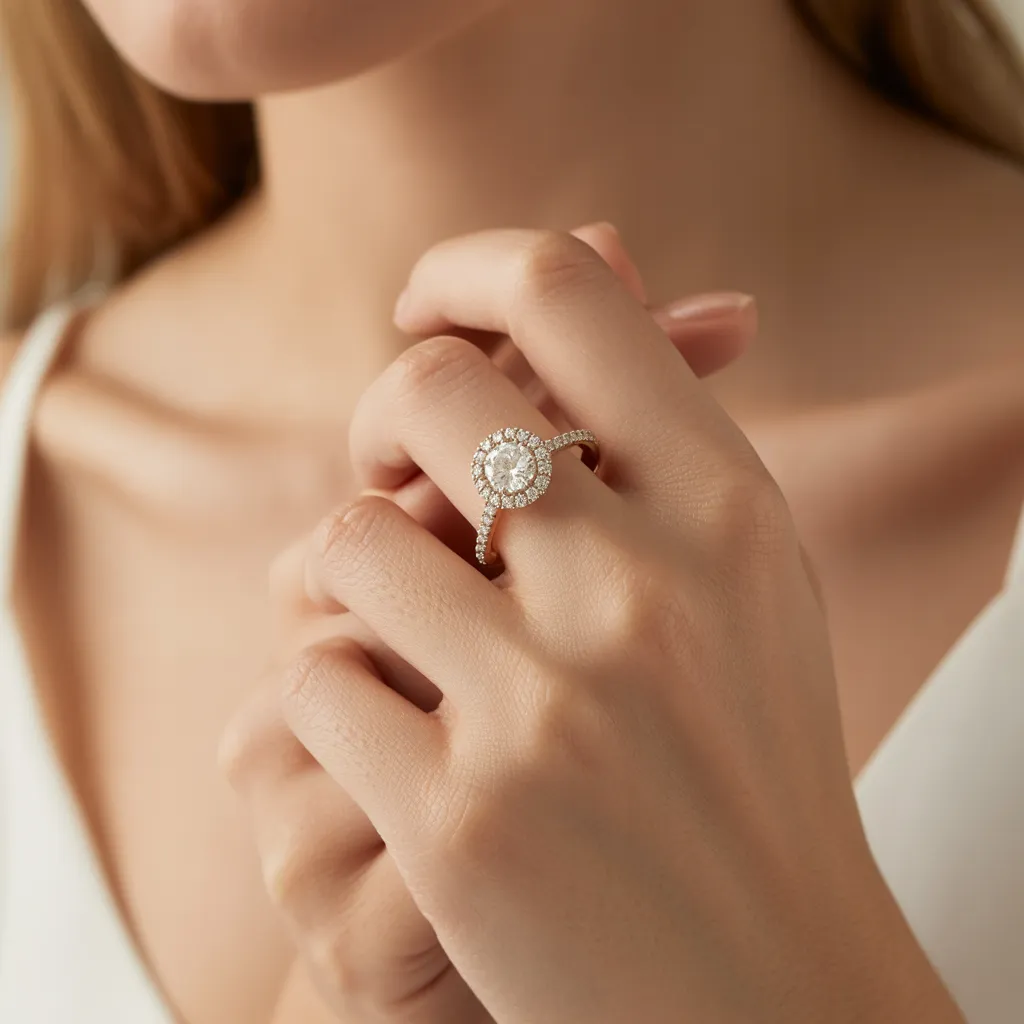
A wide array of techniques define the art of intricate gemstone setting in regal jewelry, bringing each item to a degree of unmatched elegance. Among these, the prong setting is prevalent, where metal tines grip stones while maximizing light exposure. The bezel setting, encasing the gem in a metal rim, provides a clean and contemporary look. Additionally, pave settings create a sparkling surface by embedding small stones closely together. Royal artisans often employ the technique of invisibly setting gemstones, allowing for a seamless appearance that accentuates their luminosity. In addition, careful consideration is paid to stone alignment and symmetry, ensuring that each design embodies harmony and sophistication. These skilled approaches strengthen the timeless appeal of fine royal pieces, enchanting admirers through generations.
What Symbolic Meaning Is Hidden in Royal Jewelry
What deeper meanings lie within the intricate designs of regal jewels? Each piece often serves as a visual representation more info of authority, devotion, and lineage. Emblems like crowns or scepters convey dominion and leadership, while designs featuring flowers or animals may represent grace and the richness of the natural world. Precious stones are selected not merely for their visual beauty but also for their symbolic meaning; sapphires embody insight, rubies represent passion, and emeralds are linked to rebirth.
Additionally, regal jewelry regularly incorporates aspects that embody the identity of a nation, like icons or shades tied to a particular country or dynasty. Royal jewelry gifts regularly express partnerships and deepen connections, embodying personal as well as political depth. As a result, these exquisite items rise above basic ornamentation, capturing tales of heritage, custom, and the complex fabric of history that shapes royalty.
How Have Royal Jewelry Trends Changed Over the Years?
How have royal jewelry trends evolved throughout history? Across the centuries, royal jewelry has acted as a mirror to societal changes, embodying shifts in fashion, culture, and technology. During the earliest eras, lavish gemstones and elaborate metalwork were preferred, serving as symbols of wealth and power. The Renaissance introduced elaborate designs with floral motifs and the use of enamel, showcasing artistic craftsmanship.
By the Victorian era, personal expression took center stage, with pieces often featuring concealed messages or locks of hair. Art Deco design later emphasized striking colors and geometric forms, representing modernity and innovation.
In modern times, there has been a noticeable transition toward minimalistic aesthetics and responsible sourcing, reflecting the rise of ethical awareness in society. Royal figures now tend to favor jewelry that harmoniously combines heritage with contemporary style, showcasing a graceful flexibility in an ever-changing landscape. With the continuous evolution of fashion, royal adornments persist as a compelling symbol of heritage and individuality, preserving its significance across generations.
What Royal Personalities Shaped Jewelry Trends
Over the centuries, various royal figures have greatly influenced jewelry trends, affecting not merely personal taste but also far-reaching style movements. The United Kingdom's Queen Victoria championed sentimental jewelry, particularly accessories featuring lockets and hair, representing intimate bonds. Throughout the 1900s, Princess Diana emerged as a style icon, renowned for her bold choices, including the striking sapphire engagement ring that sparked a resurgence in colored gemstones.
In the same vein, the late Queen Elizabeth II demonstrated enduring sophistication with her remarkable collection of diamond tiaras and brooches, motivating countless generations to appreciate classic styles. In the modern era, Meghan Markle has influenced contemporary design sensibilities, preferring minimalist designs that blend tradition with contemporary flair. All of these distinguished royal personalities not only defined their eras but also created an enduring impact, showing how jewelry is able to embody cultural values and personal narratives while perpetually transforming across the ever-changing fashion world.
Questions We Often Receive
What Materials Are Commonly Used in Royal Jewelry Designs?
Regal jewelry creations commonly incorporate fine metals like gold and platinum, along with gemstones such as diamonds, emeralds, sapphires, and rubies. Such materials come together to produce opulent, enduring pieces that represent prestige and sophistication.
How Do Royal Jewelry Pieces Influence Contemporary Fashion?
Royal jewelry pieces shape current fashion by bringing refinement and grandeur, frequently showcasing bold gemstones and detailed craftsmanship. Designers frequently draw from these enduring features, merging heritage with contemporary style to create striking, fashionable statements.
Do Specific Occasions Call for Wearing Royal Jewelry?
Fine royal jewels are commonly worn during formal occasions including state banquets, weddings, and ceremonial events. Such distinguished occasions allow the pieces to shine, emphasizing their remarkable workmanship and cultural significance while elevating the wearer's distinguished presence.
How Is Royal Jewelry Protected and Maintained?
Fine royal jewelry is preserved through meticulous cleaning, safe storage, and periodic inspections by trained professionals. Environmental conditions are precisely regulated, ensuring items stay in immaculate condition, while historical records preserve their provenance and cultural value for posterity.
What Role Does Royal Jewelry Play in Royal Ceremonies?
Royal jewels functions as a embodiment of prestige and custom during regal occasions, elevating the magnificence of these celebrations. These remarkable jewels often embody civilizational tradition, solidifying the crown's bond to history and national identity.
In Conclusion
The progression of jewelry in royal collections represents a remarkable fusion of culture, craftsmanship, and power. Each iconic piece captures not only remarkable workmanship but also profound symbolism and rich heritage. As styles evolved from lavish opulence to refined minimalism, royal jewelry has continually adapted, enduring as symbols of distinction through the centuries. Iconic figures in royalty have further defined these trends, guaranteeing that these breathtaking pieces remain symbols of heritage and grace, fit for royalty across generations.